Arizona addresses the challenge of maintaining high-quality special education data.


Weblogs, questions and answers, stories from the field, and our IDC newsletter, The Bee: This is where our voices come together to generate buzz.
Arizona addresses the challenge of maintaining high-quality special education data.
Data takes center stage in the Diamond State.

Indiana refines its processes for SPP/APR Indicators 4, 9, 10, and 11.

IDEA data processes get a tune-up in the Garden State.

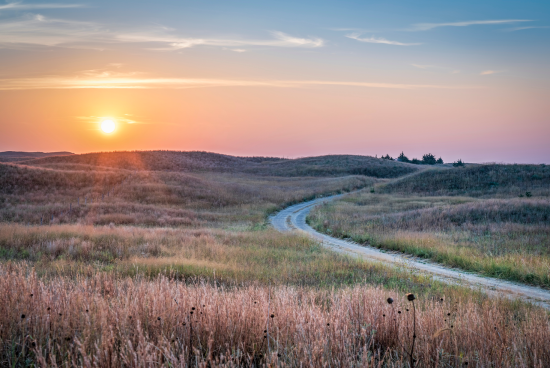
Nebraska sharpens its approach to SPP/APR Indicator 7.
Puerto Rico makes progress toward more efficient data process documentation.

My first home purchase was a small condo on Capitol Hill in Washington, DC. It was on the top floor of a new building and had a wall of floor-to-ceiling windows across the back of the living room. This condo was quite an upgrade from the basement apartment I had been living in, and I welcomed the idea of natural light! I loved that the windows faced southeast, so I could wake up to morning sunshine after a few years in my dark basement cave. But I was not prepared for such bright light.
There are many ways to influence IDEA data quality. Among them is helping states, locals, and other stakeholders understand the importance of collecting, reporting, and using high-quality data and how to improve data quality.
Recently, in my position as CCEIS Consultant with the KDE, I had the opportunity to work alongside Danielle Crain, Tamara Nimkoff, and Susan Davis with IDC to develop a series of new local district trainings for CCEIS. The trainings were designed with three different segments of Kentucky’s 15 CCEIS districts in mind: new districts (districts that were experiencing significant disproportionality for the first time), experienced districts (districts in their second year of significant disproportionality), and long-term districts (districts in their third year or longer of significant disproportionality). Each of these groups presents its own opportunities and challenges for CCEIS implementation throughout the state.